Business
Antonio Costa’s Brazil Visit: A Boost for EU-Brazil Ties, but a Potential Strain on Brazil-USA Relations
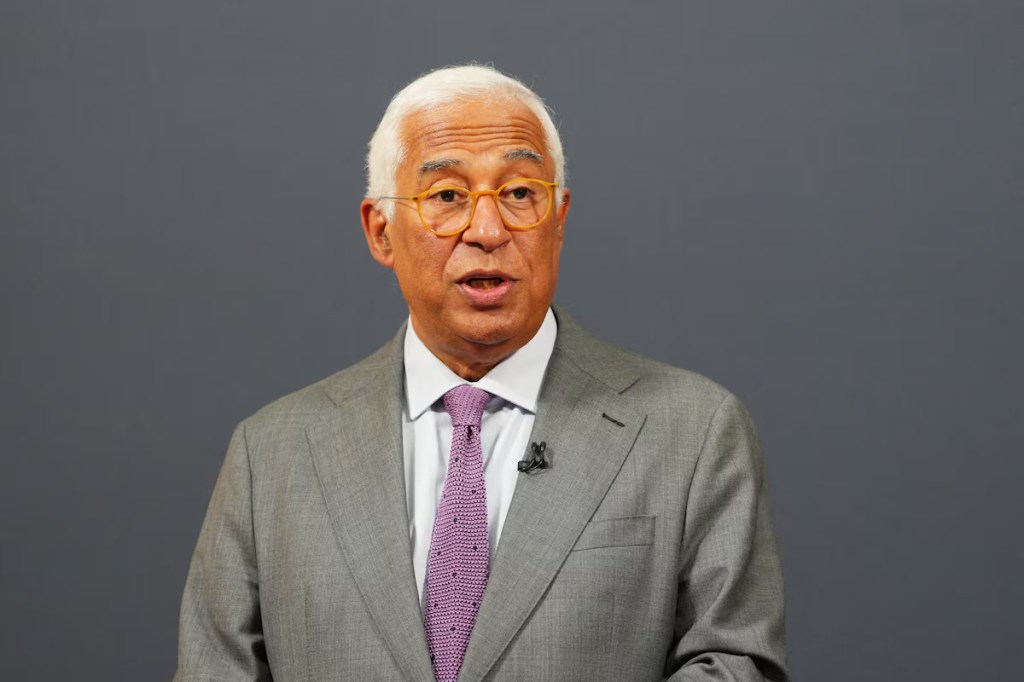
In a move signaling the European Union’s growing ambition in Latin America, Antonio Costa, President of the European Council, will travel to Brazil from May 27-29, 2025, to strengthen partnerships and investment ties with the South American powerhouse. The visit underscores the EU’s intent to deepen economic and strategic cooperation with Brazil, focusing on trade, sustainability, and emerging sectors like renewable energy and digital transformation. While this development promises mutual benefits for Brussels and Brasília, it raises questions about its implications for Brazil’s relationship with the United States, particularly under a conservative lens that prioritizes American influence in the Western Hemisphere.
EU-Brazil Partnership: A Strategic Pivot
Costa’s agenda includes high-level meetings with Brazilian President Luiz Inácio Lula da Silva, a leftist leader whose administration has prioritized global partnerships to bolster Brazil’s economy. The EU, representing 27 member states, sees Brazil as a critical player in its quest for diversified trade and access to raw materials, especially as global supply chains face disruptions. The visit will likely advance negotiations on the EU-Mercosur trade agreement, a long-stalled deal that could create one of the world’s largest free-trade zones. For Brazil, this partnership offers access to European markets, investment in green technologies, and a counterbalance to reliance on traditional partners like China and the United States.
From a conservative perspective, the EU’s push into Brazil is a calculated move to expand its geopolitical footprint in a region historically viewed as America’s backyard. The Biden administration’s inconsistent engagement with Latin America—marked by a focus on domestic priorities and selective diplomacy—has left an opening for Europe to fill. Costa’s visit, with its emphasis on sustainability and progressive ideals, aligns closely with Lula’s globalist agenda, which conservatives argue often sidelines Brazil’s national sovereignty and traditional alliances.
Implications for Brazil-USA Relations
The strengthening of EU-Brazil ties could strain relations between Brazil and the United States, particularly if the EU-Mercosur deal progresses. The United States, under either a Democratic or Republican administration in 2025, is likely to view the EU’s inroads with skepticism. For conservatives, this development threatens America’s economic and strategic interests in the region. Brazil is a key supplier of agricultural goods, minerals, and energy resources to the U.S., and a pivot toward Europe could reduce American leverage over these markets.
Trade is a flashpoint. The EU-Mercosur agreement, if finalized, would lower tariffs on Brazilian exports to Europe, potentially diverting agricultural products like beef, soy, and poultry away from U.S. markets. American farmers, already grappling with global competition, could face increased pressure, a concern that resonates deeply with conservative voters who prioritize rural economies. Moreover, the EU’s stringent environmental and labor standards, which Lula’s government has shown willingness to accommodate, could create friction with U.S. trade policies that often prioritize flexibility over regulatory burdens.
Geopolitically, the EU’s charm offensive in Brazil could complicate U.S. efforts to counter China’s influence in Latin America. Conservatives have long warned about Beijing’s growing foothold in Brazil, from infrastructure investments to critical mineral exports. While the EU positions itself as a “values-driven” partner, its pragmatic pursuit of resources mirrors China’s playbook, potentially sidelining U.S. initiatives to promote regional security and economic alignment through frameworks like the Americas Partnership for Economic Prosperity.
A Conservative Critique
From a conservative standpoint, Lula’s embrace of the EU reflects a broader trend of prioritizing globalist agendas over bilateral ties with the United States, a nation with a shared history of democratic values and economic interdependence. The Biden administration’s failure to robustly engage Brazil—through trade deals, energy partnerships, or countering China’s influence—has ceded ground to Europe. A Republican-led administration in 2025 would likely adopt a more assertive stance, emphasizing reciprocal trade and security cooperation to reassert U.S. influence.
Furthermore, conservatives may view Costa’s visit as emblematic of the EU’s overreach, imposing progressive policies like climate mandates that could burden Brazil’s agricultural sector, a cornerstone of its economy. Lula’s alignment with these priorities risks alienating Brazil’s conservative heartland, where farmers and small-business owners value economic freedom over bureaucratic regulations from Brussels.
The Path Forward
As Antonio Costa’s visit looms, the United States must recalibrate its approach to Brazil to safeguard its interests. Conservatives would argue for a proactive strategy: negotiating targeted trade agreements, expanding energy partnerships (particularly in biofuels, where Brazil excels), and reinforcing security cooperation to counter narco-trafficking and regional instability. Such steps would not only strengthen Brazil-USA relations but also remind Brasília that Washington remains a more reliable partner than a distant European bureaucracy.
In conclusion, while the EU-Brazil partnership promises economic gains for both sides, it risks complicating Brazil’s relationship with the United States at a time when American leadership in the Americas is sorely needed. For conservatives, this moment calls for renewed U.S. engagement to ensure that Brazil remains a steadfast ally, rather than a pawn in the EU’s global ambitions. The stakes are high, and the time for action is now.